- 分析
- 交易新聞
- If Fed Raise Rates Again, What Will Happen to Your Cash
If Fed Raise Rates Again, What Will Happen to Your Cash
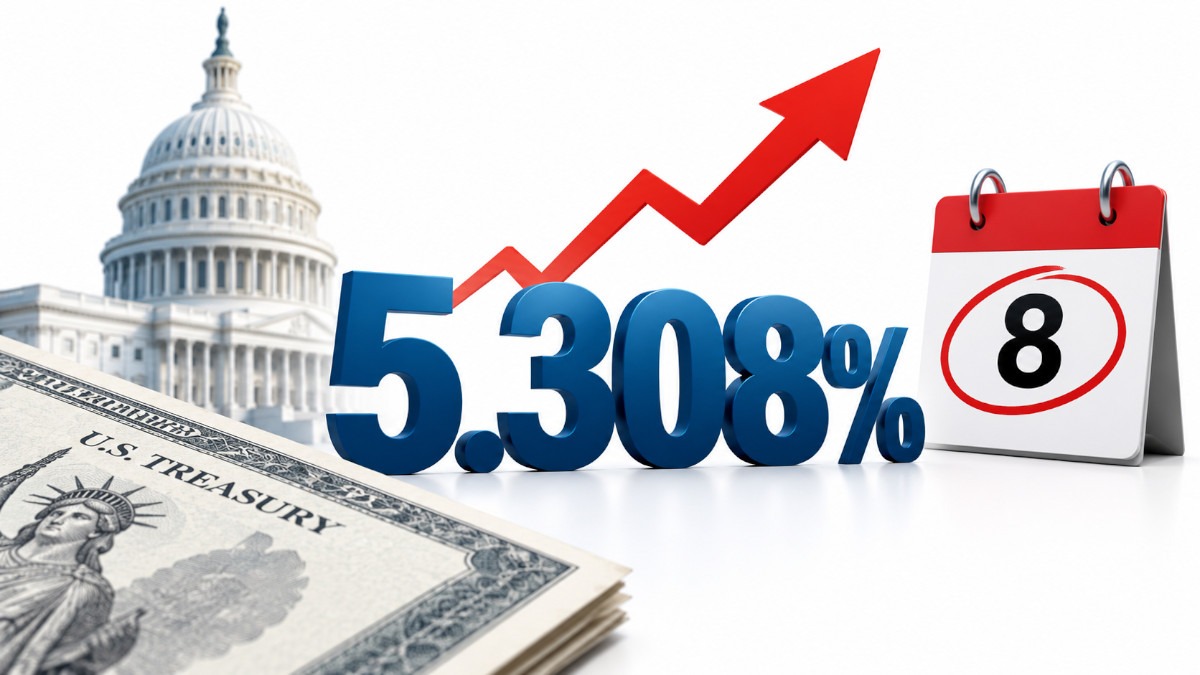
When central banks adjust interest rates, cash accounts are the first to react. Money market funds hold short-term debt, U.S. Treasury bills, and pay their owners the interest earned from these securities and their payouts follow Federal Reserve benchmark decisions very closely.
The Fed held rates steady for most of 2026 - target range at 3.50% to 3.75% through July. But in September Fed changed course and raised the rate by a quarter point to a range of 3.75% to 4.00%. Even though fund returns have increased due to rising interest rates, this method of earning money still does not provide real financial growth.
Money market yields do not jump instantly after a Fed policy change. Funds hold securities that mature over several weeks. Earlier this year, the average maturity across major funds was about 38 days. Older holdings paying lower interest must expire before fund managers can replace them with newer higher paying bills. Also average yield on the 100 largest money market funds climbed from 3.51% in early September to 3.71% by late October. This 5-6 week delay is the delay for the interest rate changes to take full effect.
MONEY MARKET FUND MATURITY TIMELINE
- Week 1: Fed raises rates –> Fund holds older Treasury bills
- Weeks 2-5: Old bills expire –> Fund buys higher-yielding bills
- Week 6: Full rate increase reflects in average payout (~3.71%)
Inflation and Taxes Eat Away at Profits
A headline yield of 3.71% suggests cash is working better, but inflation and taxes erase those gains.
1. Inflation Cancels Nominal Gains
The Fed own projections estimate 2026 inflation at 3.7%. When a fund yields 3.71% and inflation runs at 3.7%, the real rate of return is virtually zero. The cash holds its purchasing power, but it does not expand it.
2. Income Taxes Reduce Total Returns
Earnings from money market funds count as ordinary income rather than long-term capital gains. After paying federal and state income taxes, the net payout drops below the current rate of inflation, causing a slight loss in overall purchasing power over time.
Comparing Cash Investments
Investors looking for higher yield often compare money market funds to short-term Treasury bills purchased directly:
| Investment Option | Approximate Yield | Fee Impact | Liquidity & Access |
|---|---|---|---|
| Money Market Funds | ~3.71% | Management fees reduce net payout | Instant or same-day access |
| 3-Month Treasury Bills | ~4.27% | No recurring management fees | Tied up until maturity (unless sold) |
Three-month Treasury bills yield more because they avoid fund management fees and because the market is pricing in the possibility of another rate increase.
What Will Happen to Your Cash
Despite modest real returns, demand for these funds is strong. Total money market assets are $8.31 trillion. The drop from July ($8.40 trillion) shows that recent rate increases didn’t trigger a massive new influx of cash.
Looking to the upcoming Federal Reserve meetings, policymakers have signaled that the federal funds rate could end 2026 at 4.1%. Achieving that target would require one more quarter-point rate increase before the end of the year. If that happens, average fund yields will move toward 4.0%. If the Fed pauses, yields will remain near 3.7%.
To meet short-term cash needs, build emergency reserves and cover short-term expenses, money market funds remain a low-risk option. But, for long term profits holding excess cash here leaves little room for real income growth.